Paint protection for the
Rail vehicles division
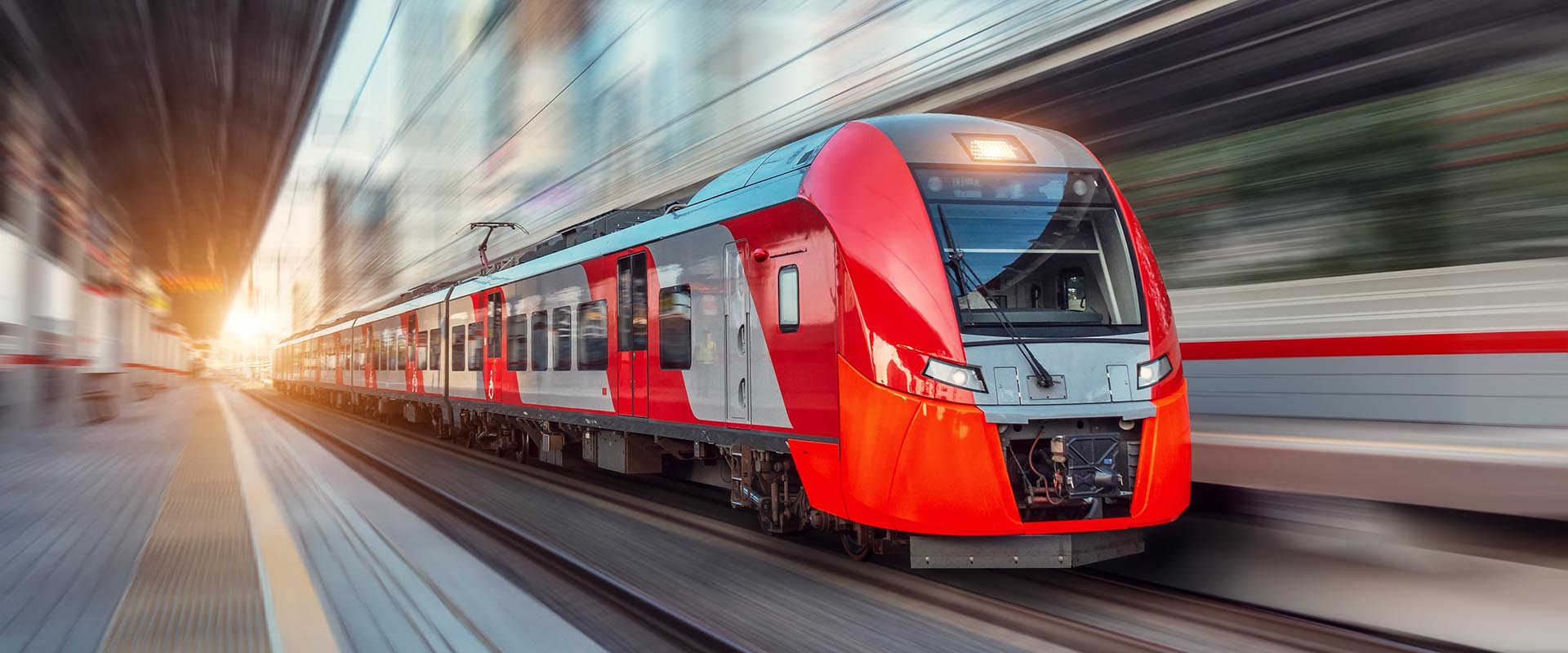
Weckerle develops and manufactures products for the new and repair sectors in the rail industry.
We carry out special developments with a high requirement profile in the area of stone chip protection.
Weckerle products have approvals from various railroad companies, e.g. Deutsche Bahn AG (DB), Austrian Federal Railways (ÖBB), Swiss Federal Railways AG (SBB), Czech Railways (CD Railways).
Depending on the requirements of the rail vehicle industry, one- or two-component systems – both solventborne and waterborne – are used.
One focus here is on special products for axles, wheelsets and bogies. In the area of corrosion and stone chip protection, our thick-film systems offer high film thicknesses of, for example, 8 mm.
Discover our paint protection solutions:
Frame and Exterior Panels of Railcars Outer Skin and Cavities of Bogies Wheels & Axles Rail Vehicles (HVAC)We also offer individual developments
Are you looking for a solution to a specific problem? As a partner with many years of experience, we work with you to develop customized solutions for your application.
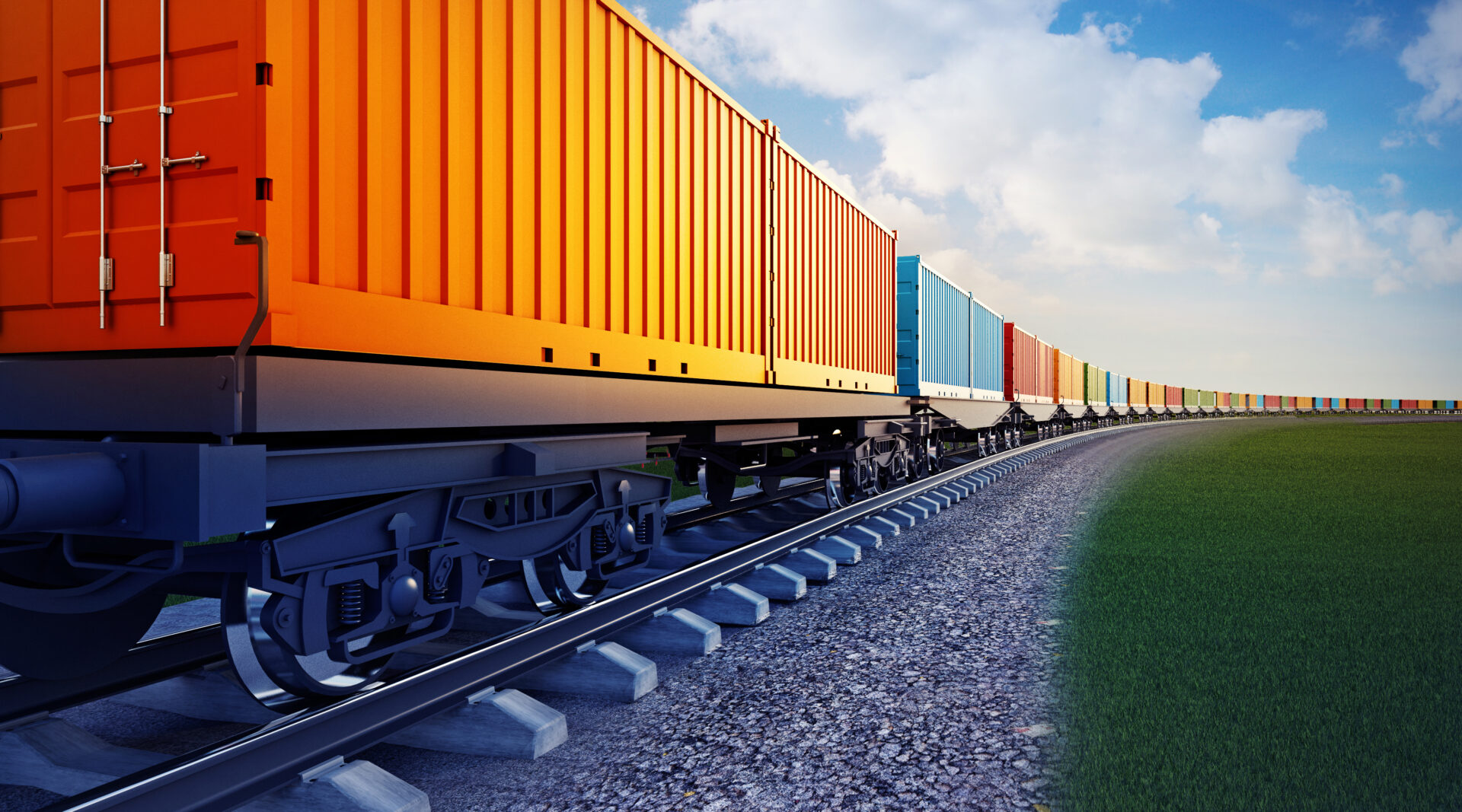
Paint protection for the frame and outer skin of wagons
Optische Beschichtung – Bewitterung nach DIN EN ISO 16474-2 Zyklus A, 1500h
DB Freigabe Blatt 34
Korrosionsschutz – Salzsprühbeständigkeit nach DIN EN SO 9227-NSS bis zu 1000h
DB Freigabe Blatt 34 und 40
Steinschlagschutz DIN EN ISO 20567-2 Verfahren B maximaler Kennwert 2
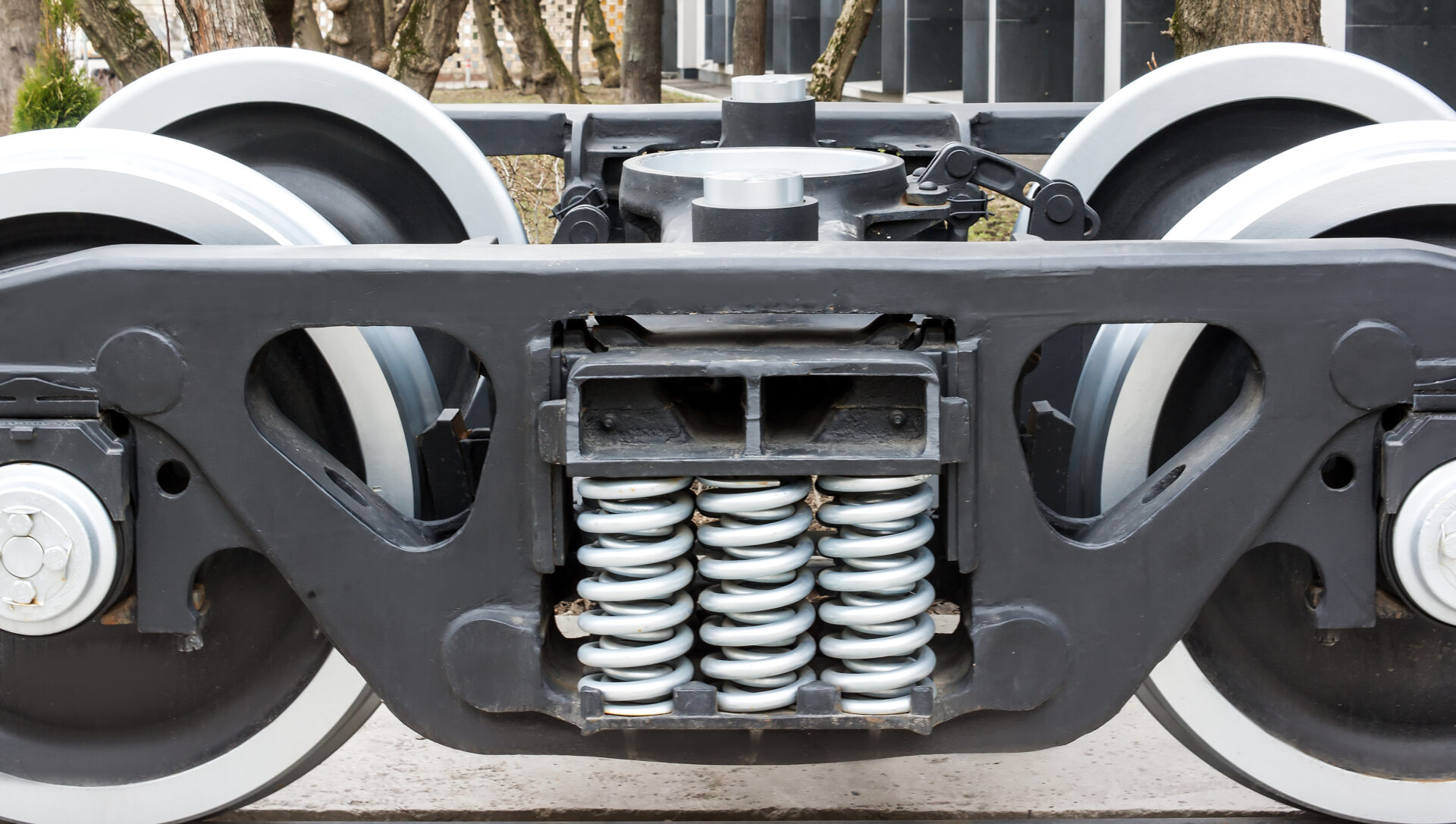
Paint protection for the outer skin and cavities in the interior of bogies
Optical coating – weathering according to DIN EN ISO 16474-2 Cycle A, 1500h
DB release sheet 34
Corrosion protection – salt spray resistance according to DIN EN SO 9227-NSS up to 1000h
DB release sheet 34 and 40
Stone chip protection DIN EN ISO 20567-2 Method B maximum characteristic value 2
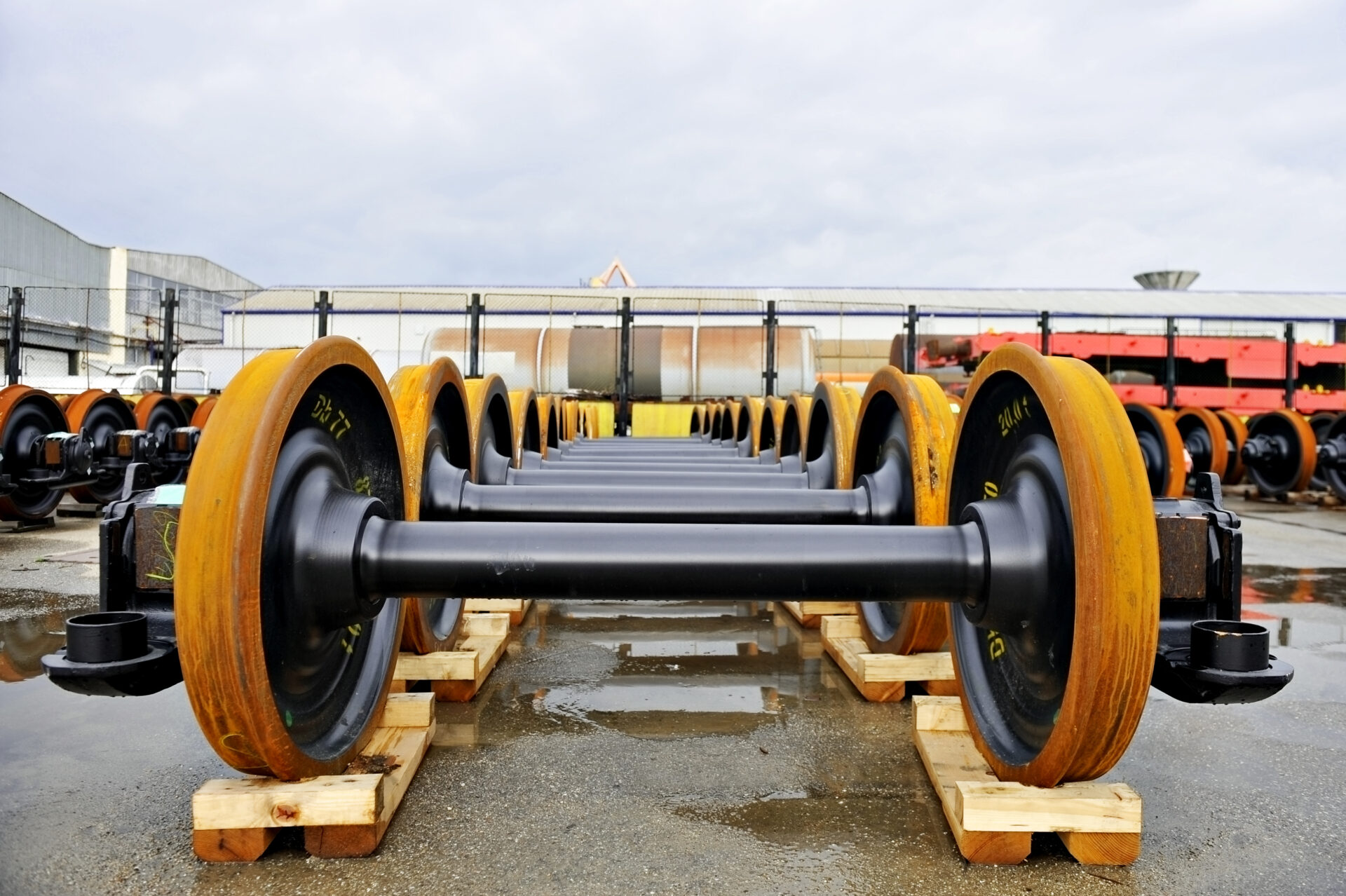
Paint protection for wheels and axles, as well as wheels with drum brakes
Korrosionsschutz – Salzsprühbeständigkeit nach DIN EN SO 9227-NSS bis zuv720h
DB Freigabe Blatt 9 und in Anlehnung an Blatt 12
Steinschlagschutz DIN EN ISO 20567-2 Verfahren B maximaler Kennwert 2
Thermoindikationsanzeige bei Überhitzung ab ca. 250 °C
Verfärbung des Lackes von Schwarz nach Rotbraun – ÖBB Modul 8
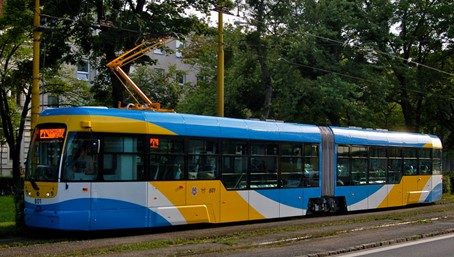
Paint protection for rail vehicles in the areas of heating, ventilation and air conditioning (HVAC)
Customers from the field
Rail
Renowned manufacturers, suppliers and operators of rail vehicles rely on our high-quality premium coatings.